Conference Agenda
Friday May 8, 2026
8:00 am Conference Registration and Breakfast
Conference registration begins at 8am.
8:30am-10:00am Keynote Speaker: Nicole Hawkins, PhD, CEDS-C “Scrolling Into Crisis: Social Media, Eating Disorders, and the Mental Health of Adolescent Girls" 1.5 CE
Scrolling Into Crisis: Social Media, Eating Disorders, and the Mental Health of Adolescent Girls
10:15am-11:15am Presenter: Hailey Maire-Grant LCSW, CST
"The Missing Conversation: Connecting Sexual Health and Eating Disorders in Recovery" This presentation is eligible for ASSECT continuing education credit, 1 CE
The Conversation Most ED Treatment Is Missing
Learn why sexual health is often overlooked—and why it matters deeply for recovery.
How Eating Disorders Impact Desire, Intimacy & Embodiment
Understand the real ways EDs affect sexual functioning beyond body image.
From Shame to Safety: A Trauma-Informed Approach
Explore how nervous system dysregulation, dissociation, and shame shape both eating and sexuality.
How to Actually Talk About Sexual Health in Session
Gain language and frameworks to introduce these conversations in a safe, consent-based way.
Practical Tools for Reconnection & Healing
Walk away with interventions that support embodiment, regulation, and relational intimacy.
Earn AASECT CE Credit While Expanding Your Clinical Skills
This session is eligible for AASECT continuing education hours, supporting advanced training in sex therapy and sexual health.
11:30am-12:30pm Presenter: Dawn Lundin MS, RD "Beyond the Diagnosis: Characteristics & Challenges of Supporting Adults with Avoidant and Restrictive Food Intake Disorder (ARFID)" .25 Ethics, 1 CE
ARFID Isn’t Just for Kids Anymore
Explore the often-overlooked realities of ARFID in adults—and why treatment needs to evolve beyond pediatric models.
What Makes Adult ARFID Different?
Learn how neurodivergence, trauma, GI conditions, and gender identity can shape presentation and care.
Real Cases, Real Complexity, Real Clinical Takeaways
Apply research to two compelling adult case examples that bring the nuance of ARFID treatment to life.
When Standard Approaches Need Adapting
Discover how to modify tools like RAVES, CBT-AR, and family involvement to better fit adult clients.
A More Flexible, More Ethical Lens for ARFID Care
Move beyond age-based assumptions and toward treatment planning that truly reflects the individual in front of you.
Practical Strategies You Can Use Right Away
Leave with concrete interventions for supporting variety, adequacy, and individualized meal planning in adult ARFID treatment.
12:30pm-1:30pm Lunch Break
Lunch on your own. Take time to visit the vendor booths as well.
1:30pm-3:00pm Presenter: Dr. Allison Nitsch, MD, FACP, CEDS-C “Medical Complications of Eating Disorders: What the Clinician Needs to Know” 1.5 CE
What’s Actually Happening Medically?
A clear, case-based breakdown of the most critical medical complications seen in eating disorders.
From Electrolytes to Cardiac Risk
Understand the medical realities behind behaviors—and what clinicians need to watch for immediately.
Refeeding, Risk, and Real-World Decision Making
Learn how to identify high-risk patients and safely navigate medical stabilization.
Level of Care, Made Clear
Strengthen your ability to determine appropriate treatment placement using real clinical scenarios.
Beyond the Basics: What Clinicians Often Miss
Explore lesser-discussed complications, including GI issues and emerging concerns like GLP-1 misuse.
Bridging Medical + Mental Health Care
Enhance collaboration across disciplines to support safer, more effective treatment transitions.
3:15pm-4:15pm Presenter: Caila Yates MS, RD "AI in Eating Disorder Treatment: Applications, Safety, and Early Clinical Evidence" .25 Ethics Credit, 1 CE
AI is Already Here. Are You Ready to Use It Clinically?
Learn how artificial intelligence is actually being used in eating disorder treatment right now.
Between-Session Support That Actually Works
Discover how AI can reinforce CBT-E, DBT, and ACT skills when clients need support most.
From Risk to Resource: How AI Can Help Monitor Clinical Deterioration
Explore how AI can flag warning signs like relapse patterns, suicidality, and escalating behaviors.
What Makes AI Safe (and What Makes It Risky)
Get clear on ethical guardrails, clinician oversight, and how to avoid harmful implementation.
Real Clinical Examples + Live Demonstration
See exactly how patients interact with AI tools in real-world eating disorder care.
Early Research You Haven’t Heard Yet
Review emerging data showing improved outcomes when AI is used alongside treatment.
4:30pm-5:30pm Presenter: Laura Cipullo RD, CDCES, CEDS-C, RYT & Shannon Herbert PhD, RD, CDN, RYT “Responding to the Four Hungers: Integrating Mind–Body Skills for Eating Disorder and Disordered Eating Treatment” 1 CE
Not All Hunger Is Physical, And That Changes Everything
Learn how to distinguish four distinct drivers of eating behavior in your clients.
A Framework Clients Actually Understand (and Use)
The “Four Hungers” model gives language to what clients are experiencing—and reduces shame instantly.
Mind–Body Tools That Go Beyond Talk Therapy
Integrate DBT, RO-DBT, and Polyvagal-informed skills directly into eating disorder treatment.
When Hunger Cues Feel Unreliable or Unsafe
Learn how to work with clients who fear, ignore, or misinterpret internal signals.
From Rigidity to Flexibility
Help clients move out of black-and-white thinking and into values-driven, responsive eating.
A Practical Tool You Can Use Immediately
Walk away with a structured food + skills log to guide assessment, sessions, and between-session work.
5:30pm-7:00pm IFEDD Hosted Book Signing and Networking Hour
Mingle with like-minded professionals in the field.
Saturday May 9, 2026
8:00am Check in and Breakfast
Describe the item or answer the question so that site visitors who are interested get more information. You can emphasize this text with bullets, italics or bold, and add links.
8:30am-10:00am Featured Speaker: Jessica Setnick, MS, RD, CEDS-C "Healing Your Inner Eater: Tools to Help Your Clients, Yourself and the Next Generation" 1.5 CE
Healing Your Inner Eater
10:15 am - 11:15 am Presenter: Amy Gardner MS, RD, CEDS-C
"Is this Training for Sport or an Eating Disorder?" 1 CE
Is It Dedication… or Disorder?
Learn how to distinguish high-level athletic training from compulsive exercise driven by eating disorder pathology.
What Clinicians Often Miss in Athletes
Explore how disordered behaviors are normalized, and even praised, within sport culture.
The Psychology Behind Exercise
Go beyond surface behaviors and assess why someone is exercising, not just how much.
Red Flags You Can’t Ignore
Identify key markers like rigidity, guilt-driven movement, and inability to rest, even with injury.
Working Within (and Against) Sport Culture
Learn how to support recovery while respecting the realities of athletic identity and performance demands.
From Assessment to Intervention
Walk away with practical tools for screening, treatment planning, and collaborating with coaches and teams.
11:30am-1:00pm Presenter: Adriane Cavallini, PhD & Caroline Welsh, LCSW "From Depletion to Restoration: Healing from Vicarious Trauma and Reclaiming Self for Eating Disorder Professionals" 1.5 CE
Who Cares for the Caregiver?
A vital conversation about burnout, vicarious trauma, and the emotional toll of eating disorder work.
When Compassion Starts to Feel Like Depletion
Learn to recognize the warning signs of burnout before they compromise your wellbeing or your clinical care.
Beyond Bubble Baths: Real Self-Care for ED Professionals
Explore trauma-informed, sustainable strategies that go far beyond surface-level wellness advice.
The Ethical Cost of Burnout
Understand how unaddressed exhaustion can affect boundaries, decision-making, and client outcomes.
Healing the Healer
Reconnect with purpose, meaning, and resilience in work that is both deeply rewarding and deeply demanding.
Practical Tools for Long-Term Sustainability
Leave with concrete strategies for boundaries, self-compassion, referral decisions, and maintaining professional longevity.
1:00pm-2:00pm Lunch Break
Lunch on your own. Take time to visit the vendor booths as well.
2:00pm-3:30pm Presenter: Claire St. John, MPH RDN CEDS-C "Scarcity, Hunger, and Eating Disorders" 1.5 CE
When Hunger Isn’t Just an Eating Disorder
Learn how food scarcity can mimic—or mask— eating disorder symptoms.
The Diagnostic Dilemma Clinicians Are Missing
Distinguish between disordered eating and adaptive survival responses to food insecurity.
The Hunger Vital Sign: A Simple Tool with Big Impact
Add a quick, evidence-based screening that can transform your assessment process.
Why Traditional ED Treatment Can Fall Short
Understand how standard approaches may overlook (or worsen) the realities of food access.
From Scarcity to Support: Practical, Trauma-Informed Interventions
Walk away with actionable strategies to support clients navigating both eating disorders and limited resources.
Equity in Eating Disorder Care Starts Here
Explore how culture, socioeconomic status, and environment shape eating behaviors—and how to respond ethically.
Learn About The Presentations
Live Presentations
Shannon Herbert, PhD, RD, CDN, RYT &
Laura Cipullo, RD, CDCES, CEDS-C, RYT
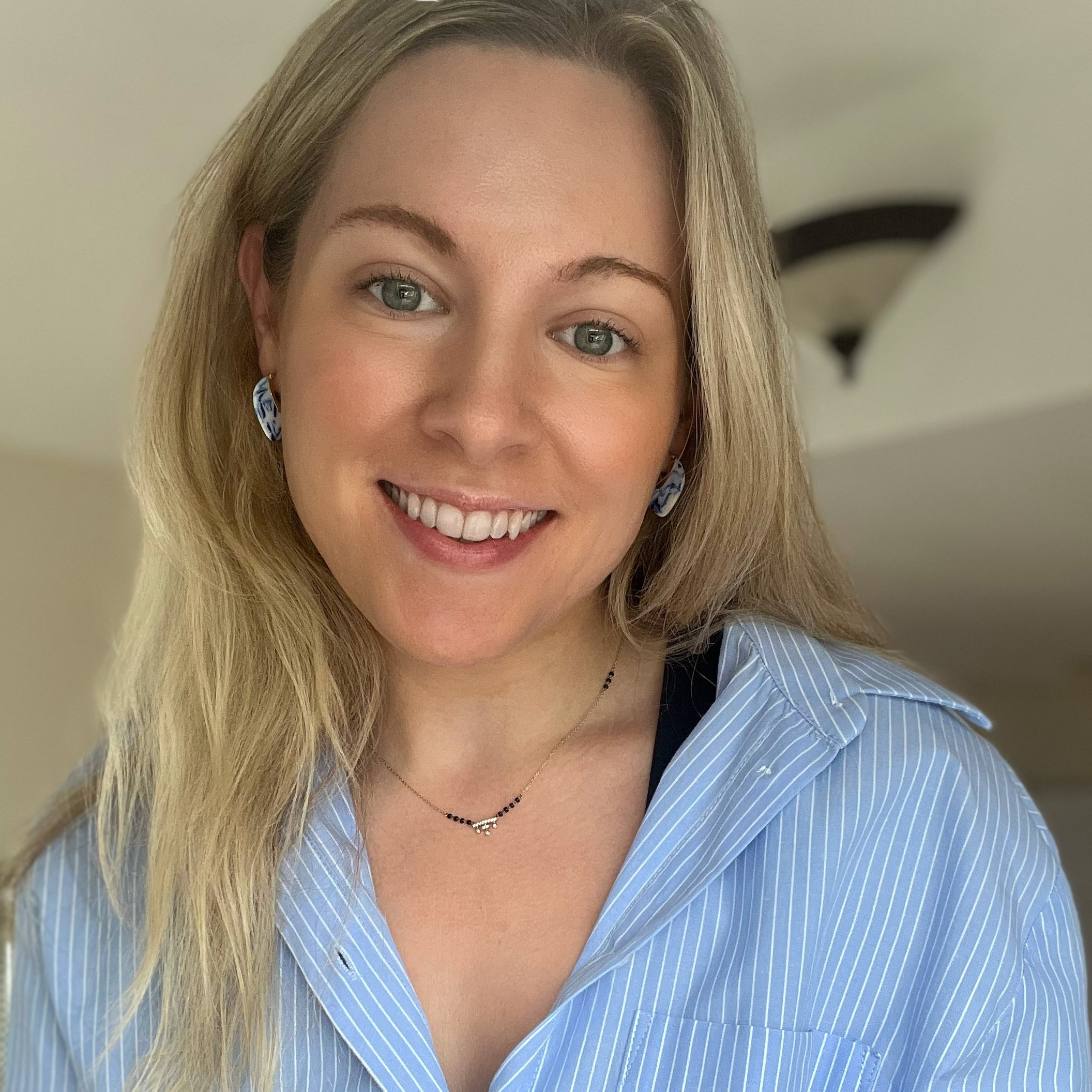
Responding to the Four Hungers: Integrating Mind–Body Skills for Eating Disorder andDisordered Eating Treatment
Not All Hunger Is Physical, And That Changes Everything. Learn how to distinguish four distinct drivers of eating behavior in your clients.
A Framework Clients Actually Understand (and Use).
The “Four Hungers” model gives language to what clients are experiencing—and reduces shame instantly.
Mind–Body Tools That Go Beyond Talk Therapy.
Integrate DBT, RO-DBT, and Polyvagal-informed skills directly into eating disorder treatment.
When Hunger Cues Feel Unreliable or Unsafe.
Learn how to work with clients who fear, ignore, or misinterpret internal signals.
From Rigidity to Flexibility. Help clients move out of black-and-white thinking and into values-driven, responsive eating.
A Practical Tool You Can Use Immediately. Walk away with a structured food + skills log to guide assessment, sessions, and between-session work.
Allison Nitsch, MD, FACP, CEDS-C
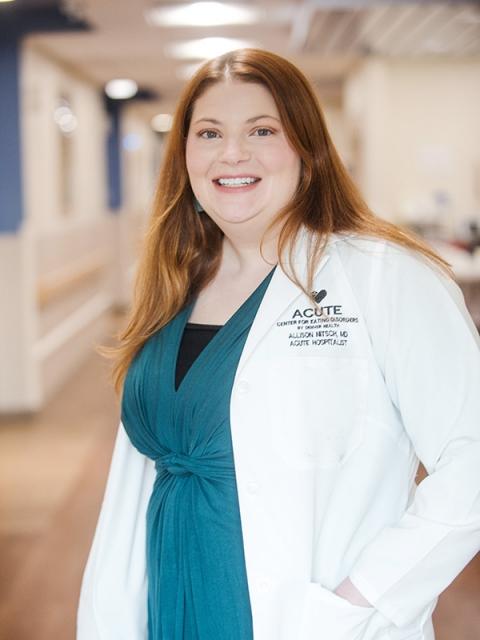
Medical complications of eating disorders: what the clinician needs to know
What’s Actually Happening Medically?
A clear, case-based breakdown of the most critical medical complications seen in eating disorders.From Electrolytes to Cardiac Risk
Understand the medical realities behind behaviors—and what clinicians need to watch for immediately.Refeeding, Risk, and Real-World Decision Making
Learn how to identify high-risk patients and safely navigate medical stabilization.Level of Care, Made Clear
Strengthen your ability to determine appropriate treatment placement using real clinical scenarios.Beyond the Basics: What Clinicians Often Miss
Explore lesser-discussed complications, including GI issues and emerging concerns like GLP-1 misuse.Bridging Medical + Mental Health Care
Enhance collaboration across disciplines to support safer, more effective treatment transitions.
Caroline Welsh, LCSW &
Adriane Cavallini, PhD

From Depletion to Restoration: Healing from Vicarious Trauma and Reclaiming Self for Eating Disorder Professionals
Who Cares for the Caregiver?
A vital conversation about burnout, vicarious trauma, and the emotional toll of eating disorder work.When Compassion Starts to Feel Like Depletion
Learn to recognize the warning signs of burnout before they compromise your wellbeing or your clinical care.Beyond Bubble Baths: Real Self-Care for ED Professionals
Explore trauma-informed, sustainable strategies that go far beyond surface-level wellness advice.The Ethical Cost of Burnout
Understand how unaddressed exhaustion can affect boundaries, decision-making, and client outcomes.Healing the Healer
Reconnect with purpose, meaning, and resilience in work that is both deeply rewarding and deeply demanding.Practical Tools for Long-Term Sustainability
Leave with concrete strategies for boundaries, self-compassion, referral decisions, and maintaining professional longevity.
Amy Gardner, MS, RD, CEDS-C
Is this training for sport or an eating disorder?
Is It Dedication… or Disorder?
Learn how to distinguish high-level athletic training from compulsive exercise driven by eating disorder pathology.What Clinicians Often Miss in Athletes
Explore how disordered behaviors are normalized, and even praised, within sport culture.The Psychology Behind Exercise
Go beyond surface behaviors and assess why someone is exercising, not just how much.Red Flags You Can’t Ignore
Identify key markers like rigidity, guilt-driven movement, and inability to rest, even with injury.Working Within (and Against) Sport Culture
Learn how to support recovery while respecting the realities of athletic identity and performance demands.From Assessment to Intervention
Walk away with practical tools for screening, treatment planning, and collaborating with coaches and teams.
Hailey Maire-Grant, LCSW, CST
The Missing Conversation: Connecting Sexual Health and Eating Disorder in Recovery
The Conversation Most ED Treatment Is Missing
Learn why sexual health is often overlooked—and why it matters deeply for recovery.How Eating Disorders Impact Desire, Intimacy & Embodiment
Understand the real ways EDs affect sexual functioning beyond body image.From Shame to Safety: A Trauma-Informed Approach
Explore how nervous system dysregulation, dissociation, and shame shape both eating and sexuality.How to Actually Talk About Sexual Health in Session
Gain language and frameworks to introduce these conversations in a safe, consent-based way.Practical Tools for Reconnection & Healing
Walk away with interventions that support embodiment, regulation, and relational intimacy.Earn AASECT CE Credit While Expanding Your Clinical Skills
This session is eligible for AASECT continuing education hours, supporting advanced training in sex therapy and sexual health.
Caila Yates, MS, RD

AI in Eating Disorder Treatment: Applications, safety, and early clinical evidence
AI is Already Here. Are You Ready to Use It Clinically?
Learn how artificial intelligence is actually being used in eating disorder treatment right now.Between-Session Support That Actually Works
Discover how AI can reinforce CBT-E, DBT, and ACT skills when clients need support most.From Risk to Resource: How AI Can Help Monitor Clinical Deterioration
Explore how AI can flag warning signs like relapse patterns, suicidality, and escalating behaviors.What Makes AI Safe (and What Makes It Risky)
Get clear on ethical guardrails, clinician oversight, and how to avoid harmful implementation.Real Clinical Examples + Live Demonstration
See exactly how patients interact with AI tools in real-world eating disorder care.Early Research You Haven’t Heard Yet
Review emerging data showing improved outcomes when AI is used alongside treatment.
Dawn Lundin, MS, RD
AI in Eating Disorder Treatment: Applications, safety, and early clinical evidence
ARFID Isn’t Just for Kids Anymore
Explore the often-overlooked realities of ARFID in adults—and why treatment needs to evolve beyond pediatric models.What Makes Adult ARFID Different?
Learn how neurodivergence, trauma, GI conditions, and gender identity can shape presentation and care.Real Cases, Real Complexity, Real Clinical Takeaways
Apply research to two compelling adult case examples that bring the nuance of ARFID treatment to life.When Standard Approaches Need Adapting
Discover how to modify tools like RAVES, CBT-AR, and family involvement to better fit adult clients.A More Flexible, More Ethical Lens for ARFID Care
Move beyond age-based assumptions and toward treatment planning that truly reflects the individual in front of you.Practical Strategies You Can Use Right Away
Leave with concrete interventions for supporting variety, adequacy, and individualized meal planning in adult ARFID treatment.
Claire St John, MPH, RDN, CEDS-C
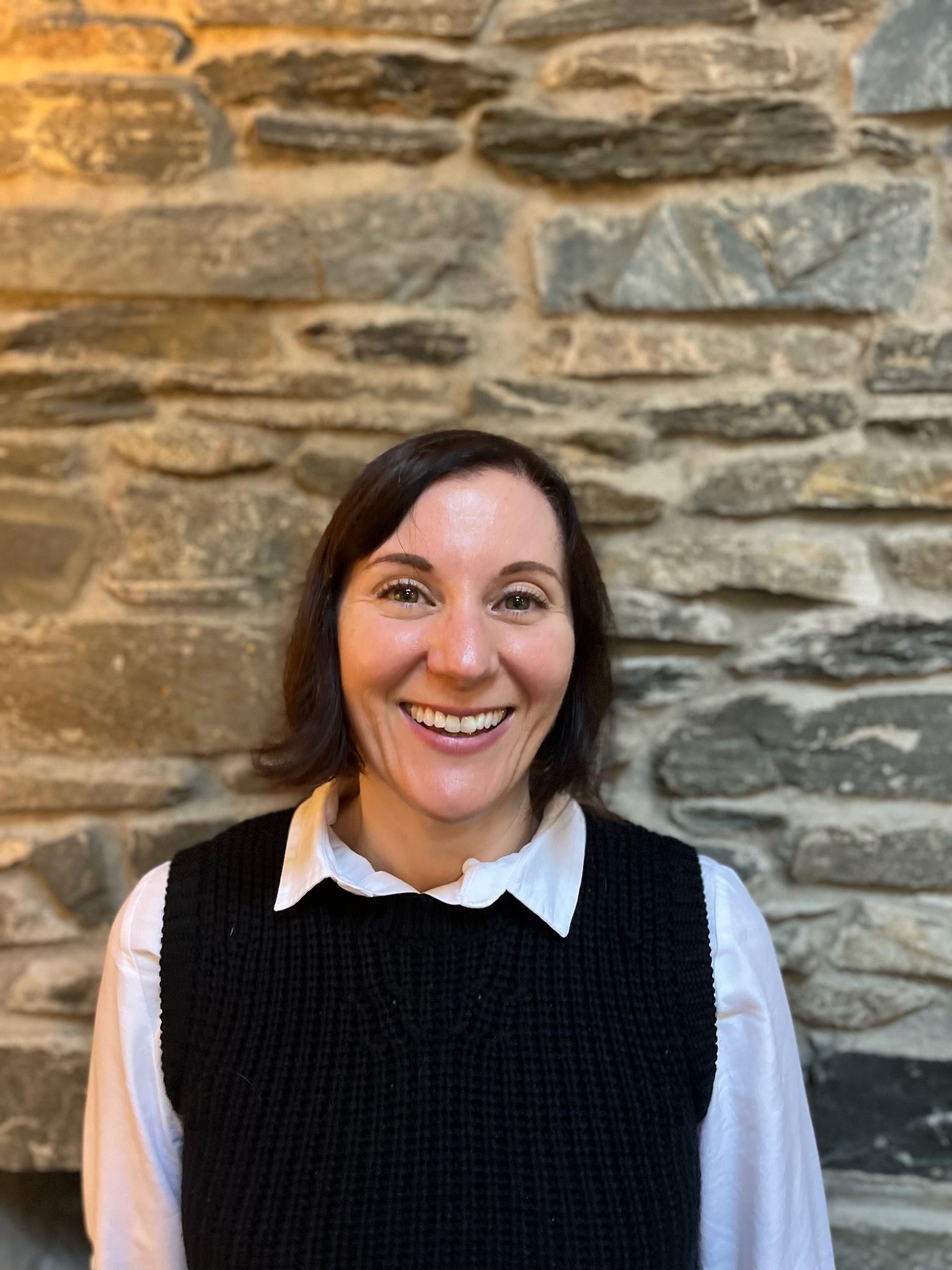
Scarcity, hunger & Eating Disorders
Understand the hidden link between food insecurity and eating disorders—and why it matters for treatment.
Learn the four levels of food security (USDA) and how to assess clients using the Hunger Vital Sign screening tool.
Explore the research on how socioeconomic stress, food scarcity, and environmental factors contribute to ED development and severity.
Examine how food insecurity intersects with culture, family dynamics, and mental health, shaping behaviors like restriction, bingeing, purging, and ARFID patterns.
Gain practical, trauma-informed strategies to support clients experiencing food insecurity in eating disorder treatment.
Leave with actionable tools and resources to address food access in therapy, nutrition counseling, and multidisciplinary care.
Extended Learning
Earn Up to 16.75 Additional CE's, 2.5 Ethics CE's
Available On-Demand
Stacy Ju Gibbons, LCMHC. CCTP-II “Between Helping and Holding: The Ethical Practice of Slow Thinking in Eating Disorder Care" 1 Ethics, 1 CE
Earn 1.5 Ethics CEs Focused Specifically on Eating Disorder Treatment—A Rare Opportunity to Deepen Your Ethical Confidence in the Most Complex Clinical Moments
• Where Ethics Becomes a Way of Thinking
Move beyond rule-based ethics and approach decision-making as a reflective, intentional clinical practice shaped by your values, experiences, and clinical lens.
• Working in the Gray
Understand why ethical dilemmas in eating disorder care are rarely “right vs. wrong,” and learn how to tolerate complexity without rushing to resolution.
• The Therapist’s Role in Ethical Decision-Making
Explore how your own biases, reactions, and instincts influence care—and how to use that awareness ethically and skillfully.
• Practical Ethical Decision-Making Tools
Apply ethical frameworks, professional codes, consultation, and structured reflection to navigate complex clinical situations with greater clarity.
• Navigating Complex ED Treatment Dynamics
Learn how to ethically manage multidisciplinary collaboration, levels of care decisions, and the balance between client autonomy and safety.
• Slow Thinking = Better Care
Develop the ability to pause, think critically, and respond with intention—rather than react under pressure.
• A More Grounded, Confident Approach to Ethics
Walk away with a deeper, more nuanced, and clinically grounded way of navigating the most challenging ethical moments in eating disorder treatment.
Sarah Mortensen, LMFT “Making CBT-AR Work for Kids: Practical Skills, Gender-Congruent Care, and Expanding Access in Pediatric ARFID Treatment”, 1 CE
CBT-AR That Actually Works for Kids
Learn how to adapt core CBT-AR tools into child-friendly, engaging, and developmentally appropriate interventions.
Not Just “Picky Eating”
Strengthen your ability to identify pediatric ARFID and distinguish it from more typical feeding challenges.
How to Build Low-Threat Exposure Work That Kids Can Tolerate
Walk away with practical strategies for creating exposure hierarchies that support flexibility without overwhelming the child.
A Critical Conversation: Boys and ARFID
Explore how gender bias can delay diagnosis and treatment—and how to create care that helps boys feel understood and motivated.
Family-Centered, Non-Coercive, Real-World Treatment
Gain caregiver coaching strategies that reduce power struggles, support consistency, and improve buy-in at home and beyond.
Flexible, Accessible Care for Real Clinical Settings
Learn how to apply evidence-based ARFID treatment even within insurance limits, low-resource settings, and community-based care.
Aaron Roldan, ASW, SUDCC, Doctoral Student, “The Politics of Passing: Trauma-Informed ED Care for Trans Women” 1 CE
When Eating Disorders Are About Safety, Not Just Symptoms
Understand how disordered eating can function as protection in unsafe environments.
The Reality of “Passing” and Why It Matters Clinically
Explore how desirability politics and visibility impact risk, survival, and recovery for trans women.
Move Beyond Pathologizing—Toward Understanding
Learn how to differentiate between coping, survival strategies, and clinical pathology.
A Trauma-Informed + Harm Reduction Framework You Can Use
Gain tools to support recovery without removing safety or reinforcing shame.
Rethinking Traditional ED Treatment Models
Examine where standard approaches may unintentionally cause harm—and how to adapt them.
Practical Strategies for Affirming, Ethical Care
Walk away with language, interventions, and frameworks to better support transfeminine clients.
Sydney Parker, LPC, CMHC, NCC, CRC, RYT-200, MA “Embodied Truth: Eating Disorders & Faith Transitions” 1.25 CE, .25 Ethics
Where Eating Disorders and Faith Transitions Intersect
Explore how control, perfectionism, and moralization show up in both eating disorders and religious experiences.
Purity Culture Meets Diet Culture
Understand the parallel systems that reinforce shame, body mistrust, and disconnection from self.
An IFS + Somatic Framework for Complex Clinical Work
Learn how “parts” and nervous system patterns shape both eating behaviors and belief systems.
When “Truth” Has Been Silenced in the Body
Identify how clients lose access to embodied knowing—and how to gently help restore it.
Practical Tools for Working with Religious Trauma in ED Treatment
Gain strategies to support safety, autonomy, and meaning-making without imposing clinician beliefs.
Ethical, Non-Coercive, Harm-Reduction Oriented Care
Learn how to avoid replacing one authority system with another while supporting recovery.
Emily Ervin, MA, LMHC, NCC & Angie Arreola, MA, LMHC, LCPC, “The Overlap: An ED Therapist and an OCD Therapist Decide to Consult…” 1 CE, .5 Ethics
When ED Meets OCD: The Clinical Gray Area We All Feel
Finally get clarity on how to differentiate—and treat—overlapping symptoms without second-guessing yourself.
Stop Guessing: Learn a Function-Based Approach That Actually Works
Move beyond labels and understand why behaviors are happening to guide more effective treatment.
ERP + ED Treatment—How to Integrate Without Doing Harm
Learn how to ethically and effectively adapt exposure work in eating disorder care.
Reduce Clinician Anxiety in Complex Cases
Walk away with a clear framework so these cases feel manageable, not overwhelming.
Real Case Examples from Cross-Specialty Collaboration
See exactly how an ED therapist and OCD therapist think differently—and how to bring those approaches together.
Practical Tools You Can Use Immediately
Leave with interventions, conceptualization strategies, and language you can apply right away.
Sherry Tarleton, RDN, CSDH, CNSC & Beth Fournier Harrell, MS, RD, LD “Severe Eating Disorders - Balancing Autonomy, Beneficence, and the Duty to Preserve Life” 1 CE, .25 ethics credit
When Medical, Nutrition, and Therapy Teams Disagree
Navigate the real-world complexity of interdisciplinary care in severe eating disorders.
High-Acuity Cases with No Clear Diagnosis
Learn how to approach severe undernutrition when GI findings and ED diagnoses don’t neatly align.
Balancing Ethics: Autonomy vs. Life Preservation
Explore the tension between respecting patient choice and intervening to protect life.
From Tube Feeding to TPN: When Interventions Become Risky
Understand when aggressive nutrition support may do more harm than good.
Polyvagal-Informed Care for Complex GI + ED Presentations
Learn how nervous system regulation impacts feeding tolerance, anxiety, and recovery.
How to Communicate as a Unified Team in Difficult Cases
Gain strategies to reduce fragmentation, improve trust, and support patients and families.
Katie Davis, RDN, CD “When Food is Intolerable: An ARFID Parent and Dietitian’s Five Clinical Strategies To Support Eating” 1 CE
When Food Feels Impossible
Gain a deeper understanding of what ARFID actually feels like, for patients and families living it every day.
Not “Picky Eating”: Real Tools for a Real Eating Disorder
Learn how to assess and support ARFID with strategies grounded in evidence, empathy, and clinical nuance.
Five Practical Strategies You Can Use Right Away
Walk away with clear interventions to improve food tolerance, flexibility, and nutritional support in ARFID treatment.
A Neurodivergent-Informed Approach to Eating
Explore how sensory processing, emotional regulation, and neurodivergence shape the eating experience.
From Safe Foods to Food Chaining
Learn how to identify tolerable foods, build food hierarchies, and gradually support dietary expansion without overwhelm.
Clinical Expertise Meets Parent Perspective
Benefit from a rare lens that bridges professional treatment knowledge with the real-life realities of caregiving and recovery.
Marki Thompson, LCSW “Working with PCOS and Eating Disorders: Integrating Endocrine, Psychological, and Behavioral Care” 1 CE
Why PCOS & Eating Disorders Are More Connected Than You Think
Explore the hidden links between hormones, mental health, and disordered eating, backed by the latest research.
Beyond BMI: What Clinicians Are Missing
Learn why weight-focused approaches can actually worsen eating pathology, and what to do instead.
Real-World Clinical Tools You Can Use Immediately
Walk away with practical screening questions, red flags, and treatment strategies you can apply the very next day.
The “In-Between” Cases No One Talks About
Understand subthreshold and atypical eating patterns in PCOS that often go unnoticed, but have major clinical impact.
Trauma-Informed, Weight-Neutral Care That Actually Works
Shift your approach to reduce shame, improve engagement, and support both metabolic health and recovery.
How to Collaborate Across Disciplines Without Missing the Mark
Learn how to effectively partner with medical providers and dietitians for truly integrated, ethical care.
Alexis Kattelman, CMHC “Where Body Dysmorphia Meets Gender Dysphoria” 1 CE
When Body Image and Identity Intersect
Understand the critical differences between body dysmorphia, gender dysphoria, and gender euphoria, and why it matters clinically.
Avoiding Harm While Doing Good
Learn how well-intended interventions can accidentally reinforce distress if these conditions are misunderstood.
The “Why” Behind Eating Disorder Behaviors in TGD Clients
Explore how restriction, control, and body manipulation may function as coping strategies for gender-related distress.
Affirming Care That Actually Supports Recovery
Integrate gender-affirming approaches alongside eating disorder treatment—without compromising either.
Body Neutrality, Not Body Pressure
Gain practical tools to help clients build sustainable, respectful relationships with their bodies.
What Clinicians Need to Know About Medical & Hormonal Care
Understand how malnutrition impacts readiness for gender-affirming treatment and how to collaborate effectively with medical providers.
Deanna Smith, LCSW, CEDS-C & Adrianne Nelson ACMHC Student Intern, “Likes, Filters, Cosmetic Surgery, and Food Rules A Clinician’s Guide to Assessing and Treating Eating Disorders and Body Dysmorphic Disorder in the Social Media Era” 1.5 CE
Filters, Likes, and the Rise of Clinical Body Image Distress
Understand how social media isn’t just influencing clients, it’s actively shaping symptoms.
When Is It “Normal”… and When Is It BDD?
Learn how to confidently differentiate between body image concerns, disordered eating, and diagnosable BDD.
The Hidden Compulsions of Social Media Use
Identify behaviors like checking, editing, comparing, and reassurance-seeking as clinical maintaining factors.
Exposure Therapy Meets Instagram
Apply ERP strategies directly to social media triggers, without defaulting to avoidance.
From Comparison to Compulsion: Breaking the Cycle
Understand how algorithms and influencer culture reinforce perfectionism, anxiety, and disordered behaviors.
Practical Tools You Can Use Immediately
Walk away with assessment questions, intervention strategies, and ethical frameworks for modern, digital-age treatment.
Yotam Livnat, CMHC & Jamaica Shires “Working in the Gap: Ethical Eating Disorder Care When Access Breaks Down” 1 CE, .5 ethics
When “Refer Out” Isn’t an Option
What do you do when the system fails, and your client still needs care?
The Reality of Access Barriers
Navigate insurance limitations, provider shortages, and system breakdowns with clarity and confidence.
Ethics in the Gray Area
Learn how to balance scope of practice, safety, and continuity of care when ideal treatment isn’t available.
Treating Eating Disorders Without a Specialty Team
Understand what is within your scope, and how to safely support lower-acuity presentations.
Dignity-Forward, Trauma-Informed Care in Real Systems
Maintain ethical, compassionate care even in high-barrier environments.
Practical Medicaid & Systems Navigation
Walk away with real strategies for coordinating care, reducing drop-off, and supporting continuity.
Johanna Scoglio M.Ed., MBA, CYT-200, IPC “What If Recovery Isn’t the Shore? Harm Reduction, Connection, & Mind-Body Healing” 1 CE
What If Recovery Isn’t Linear—and Never Was?
Explore a compassionate, clinically relevant framework for supporting clients whose healing unfolds over years, not milestones.
Beyond Symptom Remission: Rethinking What Progress Looks Like
Learn how to expand treatment goals to include dignity, connection, values, and quality of life.
When “Not Sick Enough” Becomes a Clinical Barrier
Examine the systemic realities—insurance thresholds, stigma, and treatment cycling—that leave many clients underserved.
Harm Reduction for Eating Disorders: Practical, Ethical, and Needed
Discover how incremental change and person-centered care can support long-term engagement without abandoning safety.
The Healing Power of Peer Support and Connection
Understand how mutuality, relational trust, and community can strengthen recovery trajectories in ways traditional models often miss.
Embodied Care for Long-Term Recovery
Explore mindfulness, yoga-informed practices, and emerging relational-somatic approaches that help rebuild trust in the body.
Brittany Clifford, LMFT “Generational Trauma Surround Food and the Effects of Family on Eating Disorders” 1 CE
“It Didn’t Start With You”: The Hidden Family Roots of Eating Disorders
Discover how generational patterns around food silently shape your clients’ struggles.
From Dinner Table to Diagnosis
Learn how family messages about control, scarcity, and body image become clinical symptoms.
Why Treating Symptoms Isn’t Enough
Go deeper than behaviors to address the legacy driving the disorder.
Experiential Tools That Actually Shift Patterns
Walk away with powerful, embodied interventions to help clients process—not just understand—their trauma.
Mapping the “Food Legacy”
Identify intergenerational scripts and uncover how they continue to impact recovery today.
Breaking the Cycle—Not Just Managing It
Help clients move from inherited patterns to intentional healing that changes future generations.
Michael K. Hinds, MS, LMFT “Using Research on Stages of Change to Improve Treatment Efficacy” 1 CE
Why Your Interventions Aren’t Working (And What to Do Instead)
Learn how mismatching treatment to readiness can stall progress—even with the best clinical skills.
The Missing Link in Eating Disorder Treatment: Motivation
Understand how the Stages of Change directly impact engagement, resistance, and relapse.
Stop Teaching Skills to Clients Who Don’t Want Them
Discover one of the most common (and costly) mistakes clinicians make—and how to avoid it.
From Frustration to Precision: Matching Treatment to Readiness
Learn how to tailor interventions based on where your client actually is—not where you wish they were.
Why Some Clients “Know Everything” but Still Struggle
Explore why insight and skills don’t equal change—and how to move beyond this clinical plateau.
A Framework You Can Use Immediately
Walk away with clear, actionable ways to increase treatment efficacy across all levels of care.
Trevor Hardcastle, LMFT, EMDR Trainer & Consultant, DBT Therapist "Can body image issues actually ever improve? A demonstration of the use of EMDR to initiate meaningful change in a person's relationship to their body" 1 CE
What if recovery isn’t the end of the story? Learn how lingering body image distress can be effectively targeted—even after full behavioral recovery.
Go beyond theory—watch real clinical work unfold. Follow two cases from intake to post-EMDR shifts and see transformation in action.
Finally understand how to actually use EMDR for body image. From target selection to reprocessing, this training shows you exactly how it’s done.
Turn stuck body image beliefs into breakthroughs. Learn how to identify and reprocess the memories and somatic experiences driving ongoing distress.
Walk away with a clear EMDR roadmap. Build confidence in case conceptualization, target sequencing, and measuring real clinical progress.
Do deeper, more meaningful work with your clients. Address the roots of body image pain with an approach that is ethical, attuned, and trauma-informed.
Sydney Williams, LCSW, CEDS-C and Kathy Spencer, MHPE, LCSW "The Brain and Body: The Mental Health Impact of Malnutrition" 1 CE
What if your client’s “resistance” isn’t resistance at all but a malnourished brain? Learn what’s actually happening beneath the surface.
Finally understand why therapy “isn’t working.” Discover how malnutrition and trauma directly impact cognition, emotion, and behavior.
Stop guessing, start treating effectively. Walk away with clear, actionable strategies for supporting nutritional rehabilitation (without power struggles).
Inside the malnourished brain: Explore the real neurological and physiological changes that every clinician needs to understand.
Reframe everything you thought you knew about eating disorders. Shift from frustration to clarity with a trauma-informed, brain-based lens.
Feel more confident, effective, and compassionate in your work. When you understand the brain, your interventions finally land.
Extended Learning Series Presentations
Emily Ervin, MA, LMHC, NCC & Angie Arreola, MA, LPC, LMHC
The Overlap: An ED Therapist and an OCD
Therapist Decide to Consult
When ED Meets OCD: The Clinical Gray Area We All Feel
Finally get clarity on how to differentiate—and treat—overlapping symptoms without second-guessing yourself.Stop Guessing: Learn a Function-Based Approach That Actually Works
Move beyond labels and understand why behaviors are happening to guide more effective treatment.ERP + ED Treatment—How to Integrate Without Doing Harm
Learn how to ethically and effectively adapt exposure work in eating disorder care.Reduce Clinician Anxiety in Complex Cases
Walk away with a clear framework so these cases feel manageable, not overwhelming.Real Case Examples from Cross-Specialty Collaboration
See exactly how an ED therapist and OCD therapist think differently—and how to bring those approaches together.Practical Tools You Can Use Immediately
Leave with interventions, conceptualization strategies, and language you can apply right away.
Brittany Clifford, LMFT
Generational Trauma Surround Food and the
Effects of Family on Eating Disorders
“It Didn’t Start With You”: The Hidden Family Roots of Eating Disorders
Discover how generational patterns around food silently shape your clients’ struggles.From Dinner Table to Diagnosis
Learn how family messages about control, scarcity, and body image become clinical symptoms.Why Treating Symptoms Isn’t Enough
Go deeper than behaviors to address the legacy driving the disorder.Experiential Tools That Actually Shift Patterns
Walk away with powerful, embodied interventions to help clients process—not just understand—their trauma.Mapping the “Food Legacy”
Identify intergenerational scripts and uncover how they continue to impact recovery today.Breaking the Cycle—Not Just Managing It
Help clients move from inherited patterns to intentional healing that changes future generations.
Deanna Smith, LCSW, CEDS-C & Adrianne Nelson, Intern
Likes, Filters, Cosmetic Surgery, and Food Rules A Clinician’s Guide to Assessing and Treating Eating Disorders and Body Dysmorphic Disorder in the Social Media Era
Filters, Likes, and the Rise of Clinical Body Image Distress
Understand how social media isn’t just influencing clients, it’s actively shaping symptoms.When Is It “Normal”… and When Is It BDD?
Learn how to confidently differentiate between body image concerns, disordered eating, and diagnosable BDD.The Hidden Compulsions of Social Media Use
Identify behaviors like checking, editing, comparing, and reassurance-seeking as clinical maintaining factors.Exposure Therapy Meets Instagram
Apply ERP strategies directly to social media triggers, without defaulting to avoidance.From Comparison to Compulsion: Breaking the Cycle
Understand how algorithms and influencer culture reinforce perfectionism, anxiety, and disordered behaviors.Practical Tools You Can Use Immediately
Walk away with assessment questions, intervention strategies, and ethical frameworks for modern, digital-age treatment.
Sydney Parker, LPC, CMHC, NCC, CRC, MA
Embodied Truth: A Somatic IFS Perspective on the Intersection of Eating Disorders and Faith Transitions
Where Eating Disorders and Faith Transitions Intersect
Explore how control, perfectionism, and moralization show up in both eating disorders and religious experiences.Purity Culture Meets Diet Culture
Understand the parallel systems that reinforce shame, body mistrust, and disconnection from self.An IFS + Somatic Framework for Complex Clinical Work
Learn how “parts” and nervous system patterns shape both eating behaviors and belief systems.When “Truth” Has Been Silenced in the Body
Identify how clients lose access to embodied knowing—and how to gently help restore it.Practical Tools for Working with Religious Trauma in ED Treatment
Gain strategies to support safety, autonomy, and meaning-making without imposing clinician beliefs.Ethical, Non-Coercive, Harm-Reduction Oriented Care
Learn how to avoid replacing one authority system with another while supporting recovery.
Katie Davis, RDN, CD
When Food is Intolerable: An ARFID Parent and Dietitian’s Five Clinical Strategies To Support Eating
When Food Feels Impossible
Gain a deeper understanding of what ARFID actually feels like, for patients and families living it every day.Not “Picky Eating”: Real Tools for a Real Eating Disorder
Learn how to assess and support ARFID with strategies grounded in evidence, empathy, and clinical nuance.Five Practical Strategies You Can Use Right Away
Walk away with clear interventions to improve food tolerance, flexibility, and nutritional support in ARFID treatment.A Neurodivergent-Informed Approach to Eating
Explore how sensory processing, emotional regulation, and neurodivergence shape the eating experience.From Safe Foods to Food Chaining
Learn how to identify tolerable foods, build food hierarchies, and gradually support dietary expansion without overwhelm.Clinical Expertise Meets Parent Perspective
Benefit from a rare lens that bridges professional treatment knowledge with the real-life realities of caregiving and recovery.
Alexis Kattelman, CMHC
Where Body Dysmorphia Meets Gender Dysphoria
When Body Image and Identity Intersect
Understand the critical differences between body dysmorphia, gender dysphoria, and gender euphoria, and why it matters clinically.Avoiding Harm While Doing Good
Learn how well-intended interventions can accidentally reinforce distress if these conditions are misunderstood.The “Why” Behind Eating Disorder Behaviors in TGD Clients
Explore how restriction, control, and body manipulation may function as coping strategies for gender-related distress.Affirming Care That Actually Supports Recovery
Integrate gender-affirming approaches alongside eating disorder treatment—without compromising either.Body Neutrality, Not Body Pressure
Gain practical tools to help clients build sustainable, respectful relationships with their bodies.What Clinicians Need to Know About Medical & Hormonal Care
Understand how malnutrition impacts readiness for gender-affirming treatment and how to collaborate effectively with medical providers.
Sherry Tarleton, RDN, CSDH, CNSC & Beth Fournier Harrell, MS, RD, LD
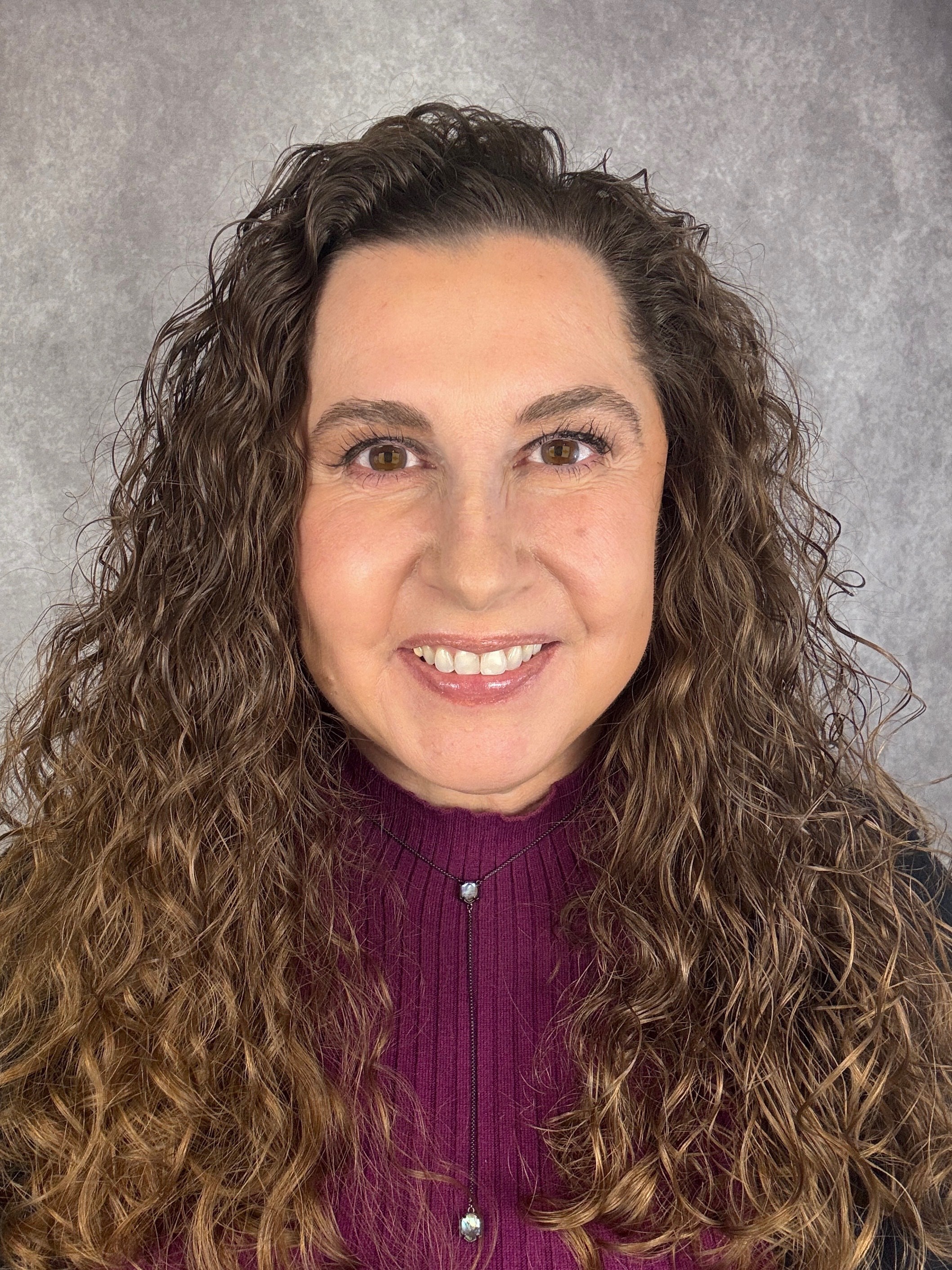
Severe Eating Disorders - Balancing Autonomy, Beneficence, and the Duty to Preserve Life
When Medical, Nutrition, and Therapy Teams Disagree
Navigate the real-world complexity of interdisciplinary care in severe eating disorders.High-Acuity Cases with No Clear Diagnosis
Learn how to approach severe undernutrition when GI findings and ED diagnoses don’t neatly align.Balancing Ethics: Autonomy vs. Life Preservation
Explore the tension between respecting patient choice and intervening to protect life.From Tube Feeding to TPN: When Interventions Become Risky
Understand when aggressive nutrition support may do more harm than good.Polyvagal-Informed Care for Complex GI + ED Presentations
Learn how nervous system regulation impacts feeding tolerance, anxiety, and recovery.How to Communicate as a Unified Team in Difficult Cases
Gain strategies to reduce fragmentation, improve trust, and support patients and families.
Michael K. Hinds, MS, LMFT
Using Research on Stages of Change to Improve Treatment Efficacy
Why Your Interventions Aren’t Working (And What to Do Instead)
Learn how mismatching treatment to readiness can stall progress—even with the best clinical skills.The Missing Link in Eating Disorder Treatment: Motivation
Understand how the Stages of Change directly impact engagement, resistance, and relapse.Stop Teaching Skills to Clients Who Don’t Want Them
Discover one of the most common (and costly) mistakes clinicians make—and how to avoid it.From Frustration to Precision: Matching Treatment to Readiness
Learn how to tailor interventions based on where your client actually is—not where you wish they were.Why Some Clients “Know Everything” but Still Struggle
Explore why insight and skills don’t equal change—and how to move beyond this clinical plateau.A Framework You Can Use Immediately
Walk away with clear, actionable ways to increase treatment efficacy across all levels of care.
Johanna Scoglio, M.Ed, MBA, CYT-200
What If Recovery Isn’t the Shore? Harm Reduction, Connection, & Mind-Body Healing
What If Recovery Isn’t Linear—and Never Was?
Explore a compassionate, clinically relevant framework for supporting clients whose healing unfolds over years, not milestones.Beyond Symptom Remission: Rethinking What Progress Looks Like
Learn how to expand treatment goals to include dignity, connection, values, and quality of life.When “Not Sick Enough” Becomes a Clinical Barrier
Examine the systemic realities—insurance thresholds, stigma, and treatment cycling—that leave many clients underserved.Harm Reduction for Eating Disorders: Practical, Ethical, and Needed
Discover how incremental change and person-centered care can support long-term engagement without abandoning safety.The Healing Power of Peer Support and Connection
Understand how mutuality, relational trust, and community can strengthen recovery trajectories in ways traditional models often miss.Embodied Care for Long-Term Recovery
Explore mindfulness, yoga-informed practices, and emerging relational-somatic approaches that help rebuild trust in the body.
Stacy Gibbons , LCMHC, CCTP-II
Between Helping and Holding: The Ethical
Practice of Slow Thinking in Eating Disorder Care
Earn 1.5 Ethics CEs Focused Specifically on Eating Disorder Treatment—A Rare Opportunity to Deepen Your Ethical Confidence in the Most Complex Clinical Moments
Where Ethics Becomes a Way of Thinking
Move beyond rule-based ethics and approach decision-making as a reflective, intentional clinical practice shaped by your values, experiences, and clinical lens.Working in the Gray
Understand why ethical dilemmas in eating disorder care are rarely “right vs. wrong,” and learn how to tolerate complexity without rushing to resolution.The Therapist’s Role in Ethical Decision-Making
Explore how your own biases, reactions, and instincts influence care—and how to use that awareness ethically and skillfully.Practical Ethical Decision-Making Tools
Apply ethical frameworks, professional codes, consultation, and structured reflection to navigate complex clinical situations with greater clarity.Navigating Complex ED Treatment Dynamics
Learn how to ethically manage multidisciplinary collaboration, levels of care decisions, and the balance between client autonomy and safety.Slow Thinking = Better Care
Develop the ability to pause, think critically, and respond with intention—rather than react under pressure.A More Grounded, Confident Approach to Ethics
Walk away with a deeper, more nuanced, and clinically grounded way of navigating the most challenging ethical moments in eating disorder treatment.
Kathy Spencer, MHPE, LCSW &
Sydney Williams, LCSW, CEDS-C

The Brain and body: The Mental Health Impact of Malnutrition
What if your client’s “resistance” isn’t resistance at all but a malnourished brain? Learn what’s actually happening beneath the surface.
Finally understand why therapy “isn’t working.” Discover how malnutrition and trauma directly impact cognition, emotion, and behavior.
Stop guessing, start treating effectively. Walk away with clear, actionable strategies for supporting nutritional rehabilitation (without power struggles).
Inside the malnourished brain: Explore the real neurological and physiological changes that every clinician needs to understand.
Reframe everything you thought you knew about eating disorders. Shift from frustration to clarity with a trauma-informed, brain-based lens.
Feel more confident, effective, and compassionate in your work. When you understand the brain, your interventions finally land.
Trevor Hardcastle, LMFT, EMDR Trainer & Consultant, DBT Therapist
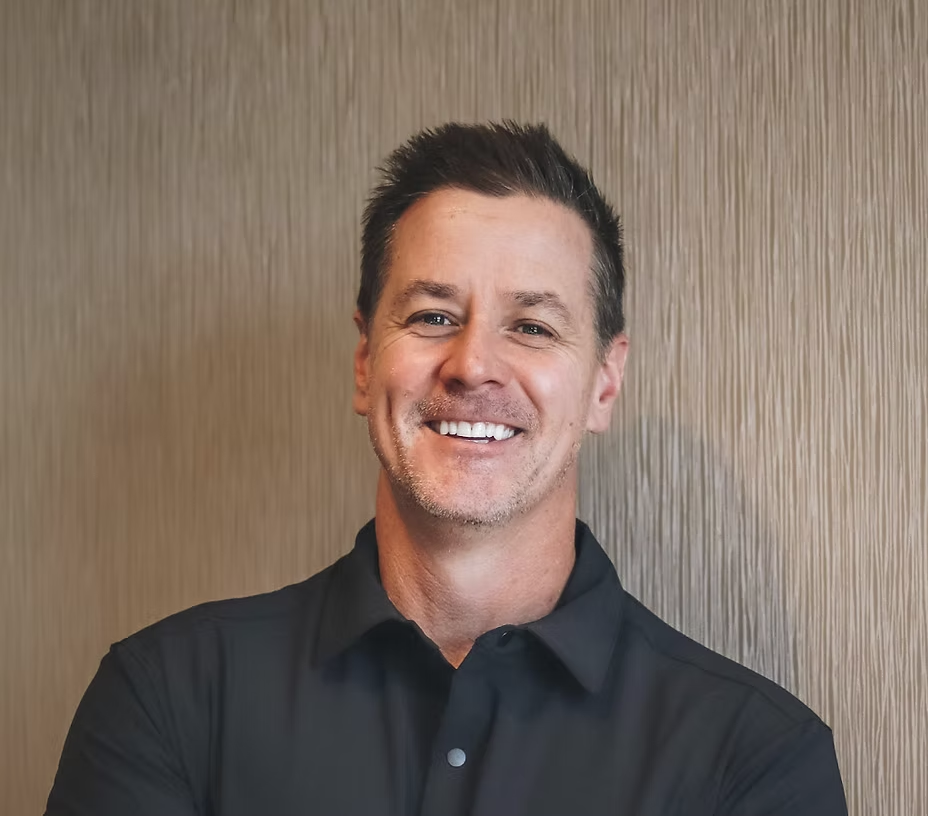
Can body image issues actually improve? A demonstration of the use of EMDR to initiate meaningful change in a person's relationship to their body.
What if recovery isn’t the end of the story? Learn how lingering body image distress can be effectively targeted—even after full behavioral recovery.
Go beyond theory—watch real clinical work unfold. Follow two cases from intake to post-EMDR shifts and see transformation in action.
Finally understand how to actually use EMDR for body image. From target selection to reprocessing, this training shows you exactly how it’s done.
Turn stuck body image beliefs into breakthroughs. Learn how to identify and reprocess the memories and somatic experiences driving ongoing distress.
Walk away with a clear EMDR roadmap. Build confidence in case conceptualization, target sequencing, and measuring real clinical progress.
Do deeper, more meaningful work with your clients. Address the roots of body image pain with an approach that is ethical, attuned, and trauma-informed.
Sarah Mortensen, LMFT

Making CBT-AR Work for Kids: Practical Skills, Gender-Congruent Care, and Expanding Access in Pediatric ARFID Treatment
CBT-AR That Actually Works for Kids
Learn how to adapt core CBT-AR tools into child-friendly, engaging, and developmentally appropriate interventions.Not Just “Picky Eating”
Strengthen your ability to identify pediatric ARFID and distinguish it from more typical feeding challenges.How to Build Low-Threat Exposure Work That Kids Can Tolerate
Walk away with practical strategies for creating exposure hierarchies that support flexibility without overwhelming the child.A Critical Conversation: Boys and ARFID
Explore how gender bias can delay diagnosis and treatment—and how to create care that helps boys feel understood and motivated.Family-Centered, Non-Coercive, Real-World Treatment
Gain caregiver coaching strategies that reduce power struggles, support consistency, and improve buy-in at home and beyond.Flexible, Accessible Care for Real Clinical Settings
Learn how to apply evidence-based ARFID treatment even within insurance limits, low-resource settings, and community-based care.
Marki Thompson, LCSW
Working with PCOS and Eating Disorders:
Integrating Endocrine, Psychological, and
Behavioral Care
Why PCOS & Eating Disorders Are More Connected Than You Think
Explore the hidden links between hormones, mental health, and disordered eating, backed by the latest research.Beyond BMI: What Clinicians Are Missing
Learn why weight-focused approaches can actually worsen eating pathology, and what to do instead.Real-World Clinical Tools You Can Use Immediately
Walk away with practical screening questions, red flags, and treatment strategies you can apply the very next day.The “In-Between” Cases No One Talks About
Understand subthreshold and atypical eating patterns in PCOS that often go unnoticed, but have major clinical impact.Trauma-Informed, Weight-Neutral Care That Actually Works
Shift your approach to reduce shame, improve engagement, and support both metabolic health and recovery.How to Collaborate Across Disciplines Without Missing the Mark
Learn how to effectively partner with medical providers and dietitians for truly integrated, ethical care.
Yotam Livnat, CMHC &
Jamaica Shires

Working in the Gap: Ethical Eating Disorder Care When Access Breaks Down
When “Refer Out” Isn’t an Option
What do you do when the system fails, and your client still needs care?The Reality of Access Barriers
Navigate insurance limitations, provider shortages, and system breakdowns with clarity and confidence.Ethics in the Gray Area
Learn how to balance scope of practice, safety, and continuity of care when ideal treatment isn’t available.Treating Eating Disorders Without a Specialty Team
Understand what is within your scope, and how to safely support lower-acuity presentations.Dignity-Forward, Trauma-Informed Care in Real Systems
Maintain ethical, compassionate care even in high-barrier environments.Practical Medicaid & Systems Navigation
Walk away with real strategies for coordinating care, reducing drop-off, and supporting continuity.
Aaron Roldan, ASW, SUDC, Doctoral Student
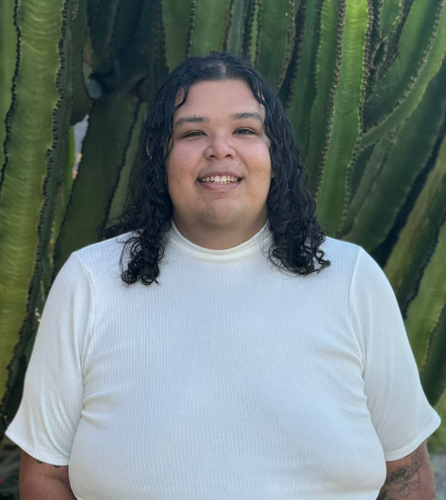
The Politics of Passing: Trauma-Informed ED Care for Trans Women
When Eating Disorders Are About Safety, Not Just Symptoms
Understand how disordered eating can function as protection in unsafe environments.The Reality of “Passing” and Why It Matters Clinically
Explore how desirability politics and visibility impact risk, survival, and recovery for trans women.Move Beyond Pathologizing—Toward Understanding
Learn how to differentiate between coping, survival strategies, and clinical pathology.A Trauma-Informed + Harm Reduction Framework You Can Use
Gain tools to support recovery without removing safety or reinforcing shame.Rethinking Traditional ED Treatment Models
Examine where standard approaches may unintentionally cause harm—and how to adapt them.Practical Strategies for Affirming, Ethical Care
Walk away with language, interventions, and frameworks to better support transfeminine clients.
Get access to an additional 16 Continuing Education hours On-demand
Extended Learning Series
Deepen your conference experience with our Extended Learning Series, an exclusive add-on designed to expand your clinical insight beyond the live event. This curated collection of additional sessions offers practical, evidence-informed training from experienced professionals, available on-demand so you can learn at your own pace. It’s a flexible, high-value way to continue building skills, explore new perspectives, and bring even more depth to your work with clients.
Only $97 for an additional 12 CEs
Exclusive conference add on
Learn at your own pace
Earn Continuing Education Hours
The Nura Conference is hosted by The Eating Disorder Consultants. The Eating Disorder Consultants has been approved by NBCC as an Approved Continuing Education Provider, ACEP No. 7905. Programs that do not qualify for NBCC credit are clearly identified. The Eating Disorder Consultants is solely responsible for all aspects of the programs.
The Nura Conference has also been submitted to the Committee on Dietetic Registration for continuing education hour for Registered Dietitians.
The Nura Conference has not been approved for CMEs at this time.

Platinum Sponsor
Gold Sponsors


Silver Sponsors



Bronze Sponsors






Nourish
Elevating Minds, Fostering
growth.

Educate
Evidence-based, Expert-led Training

Innovate
Integrated solutions for future care
FOLLOW US


CONFERENCES
CONTACT US
Subscribe to our Mailing List
Copyright 2026. Nura Institute. All Rights Reserved.